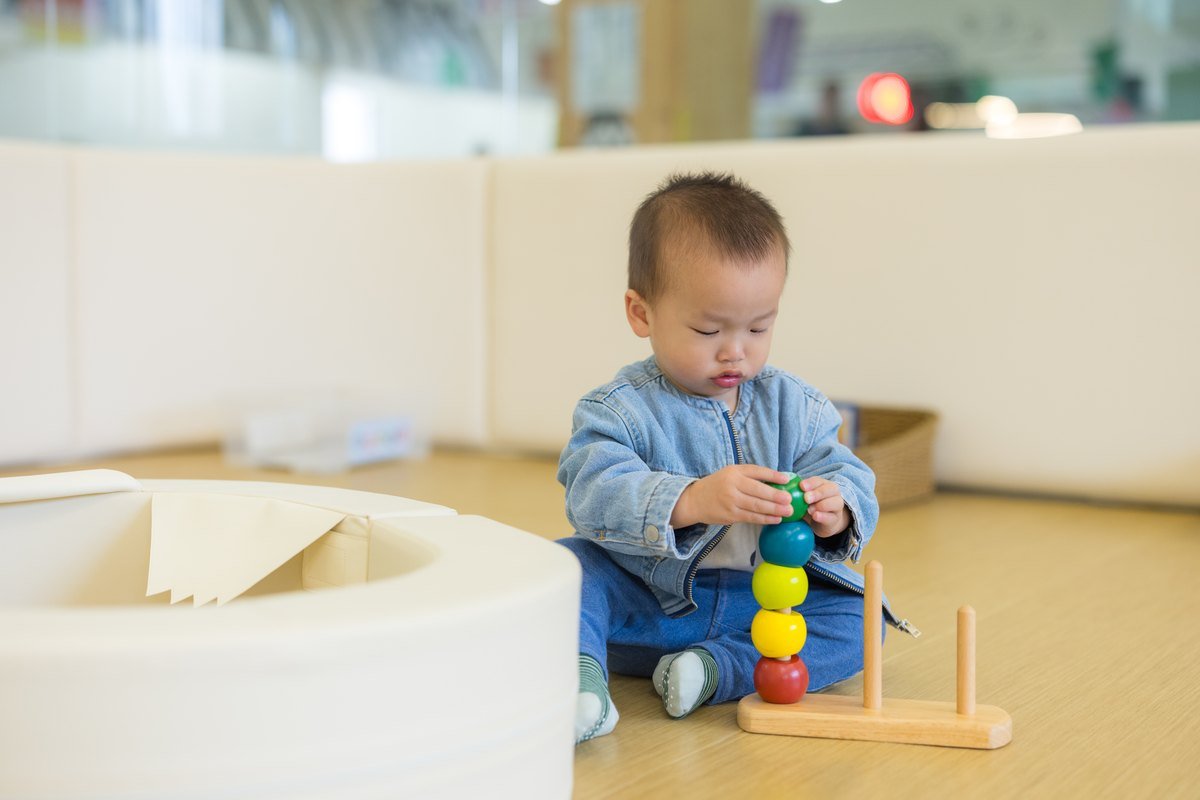

The first six years of a child’s life are a period of extraordinary growth. During these early years, the brain develops more rapidly than at any other stage of life, creating the foundation for learning, communication, behavior, movement, and social relationships.
As we discussed in our article, Why the First 6 Years Matter More Than You Think, these early years provide a unique window of opportunity to influence lifelong learning and development.
While every child develops at their own pace, monitoring development helps ensure they are progressing as expected. This is where developmental screening plays a crucial role.
What Is Developmental Screening?
Developmental screening is a structured process used to evaluate whether a child is achieving age-appropriate developmental milestones.
It helps assess key areas such as:
- Cognitive development (thinking and learning)
- Language and communication
- Social and emotional skills
- Gross motor skills
- Fine motor skills
- Self-help and adaptive skills
Unlike casual observation, developmental screening uses established developmental expectations to identify children who may benefit from additional support or monitoring.
Why the First 6 Years Are So Important
Research shows that approximately 90% of brain development occurs before the age of six. During this period, neural connections are formed at an incredible rate, shaping how children learn, communicate, solve problems, and interact with others.
According to the World Health Organization (WHO), early childhood development lays the foundation for health, learning, and well-being throughout life. World Health Organization – Early Childhood Development
When developmental challenges are identified early:
- Children can receive support sooner
- Learning difficulties may be reduced
- Families gain better understanding of their child’s needs
- Schools can provide more targeted support
- Long-term outcomes often improve
Developmental Delays Are Not Always Obvious
Many developmental concerns are subtle during the early years.
A child may:
- Speak later than expected
- Have difficulty following instructions
- Struggle to interact with peers
- Show challenges with attention
- Experience delays in motor skills
- Find transitions and routines difficult
The CDC Developmental Milestones resource highlights the importance of monitoring developmental progress and recognizing early signs that may require additional support. CDC Developmental Milestones
These signs may be mistaken for personality traits, temporary phases, or differences in temperament.ntion.
The Benefits of Early Identification
Early identification is one of the greatest advantages of developmental screening.
Better Outcomes
Children who receive support during the early years often make significant developmental gains.
Targeted Intervention
Understanding a child’s specific strengths and challenges allows parents, educators, and healthcare professionals to provide more focused support.
Reduced Future Challenges
Addressing developmental concerns early may help prevent larger academic, behavioral, or social difficulties later.
Increased Parent Confidence
Screening provides parents with clearer insights into their child’s developmental progress and needs.
Developmental Screening Supports More Than Delays
Many people assume developmental screening is only for children who may have developmental difficulties.
In reality, screening benefits all children.
It can help:
- Track developmental progress
- Identify strengths and talents
- Support school readiness
- Guide age-appropriate learning experiences
- Provide reassurance to parents
The goal is not to label children but to better understand how they are growing and learning.
What Areas Should Be Screened?
A comprehensive developmental screening should evaluate multiple domains of development.
Cognitive Skills
- Memory
- Attention
- Problem-solving
- Learning ability
Language Skills
- Understanding language
- Expressive communication
- Vocabulary development
Social and Emotional Skills
- Peer interaction
- Emotional regulation
- Social engagement
Motor Development
- Balance and coordination
- Fine motor control
- Physical movement
Adaptive Skills
- Independence
- Daily routines
- Self-help abilities
Looking at the whole child provides a more accurate picture of development than focusing on a single skill area.
Developmental Screening and School Readiness
School readiness involves much more than knowing letters and numbers.
Children benefit from having:
- Strong attention skills
- Emotional regulation
- Communication abilities
- Social confidence
- Problem-solving skills
- Independence
Developmental screening helps identify whether these foundational skills are developing appropriately before formal schooling begins.
A Shared Responsibility
Supporting children’s development requires collaboration among parents, educators, healthcare providers, and child development professionals.
When developmental screening becomes part of routine monitoring, children are more likely to receive timely support and opportunities that help them thrive.
The earlier developmental concerns are recognized, the greater the opportunity to positively influence a child’s future learning and development.
Final Thoughts
Developmental screening is not about finding problems. It is about understanding children better.
The first six years represent a critical period for brain development, learning, and growth. By monitoring developmental milestones and identifying potential challenges early, families and professionals can provide the support children need during the years when it matters most.
Every child deserves the opportunity to reach their full potential, and developmental screening is one of the most effective tools for making that possible.
Want More Activities Like These?
Browse the free Activity Library for 100s of age-by-age activities.