How Preschool Teachers Can Observe Developmental Skills
Children are far more than their ability to recognize letters, count numbers, or complete worksheets. While academic skills are important, the foundation for lifelong learning is built through a much broader range of developmental abilities during the early years.
Every preschool teacher spends hours observing children in real-life situations—during play, group activities, routines, and social interactions. These daily observations provide valuable insights into a child’s overall development.
By looking beyond academics, teachers can better support each child’s unique learning journey and identify areas that may benefit from additional guidance.
Why Developmental Observation Matters
The first six years of life are a period of rapid brain development. During this time, children are building the skills they will use throughout school and beyond.
Regular developmental observation helps teachers:
- Understand each child’s strengths and challenges
- Create appropriate learning experiences
- Support children at their individual pace
- Communicate meaningful insights to parents
- Identify potential developmental concerns early
A child who struggles to sit still, follow instructions, communicate needs, or interact with peers may face challenges that go far beyond academics.
1. Attention and Concentration
Attention is one of the most important building blocks for learning.
Observe whether a child can:
- Stay engaged in an activity
- Listen to instructions
- Complete simple tasks
- Shift attention when needed
- Focus without becoming easily distracted
Example
A child who can spend 10–15 minutes building with blocks, solving puzzles, or participating in circle time is developing important attention skills that will support future learning.
2. Communication and Language Skills
Language development affects learning, social interaction, and emotional expression.
Observe whether a child can:
- Understand simple instructions
- Express needs and ideas clearly
- Participate in conversations
- Ask questions
- Use age-appropriate vocabulary
Example
A child who explains how they built a tower or shares details about their weekend is developing communication skills that support future literacy and academic success.
3. Social Interaction
Learning happens through relationships.
Observe how children:
- Play with peers
- Share materials
- Take turns
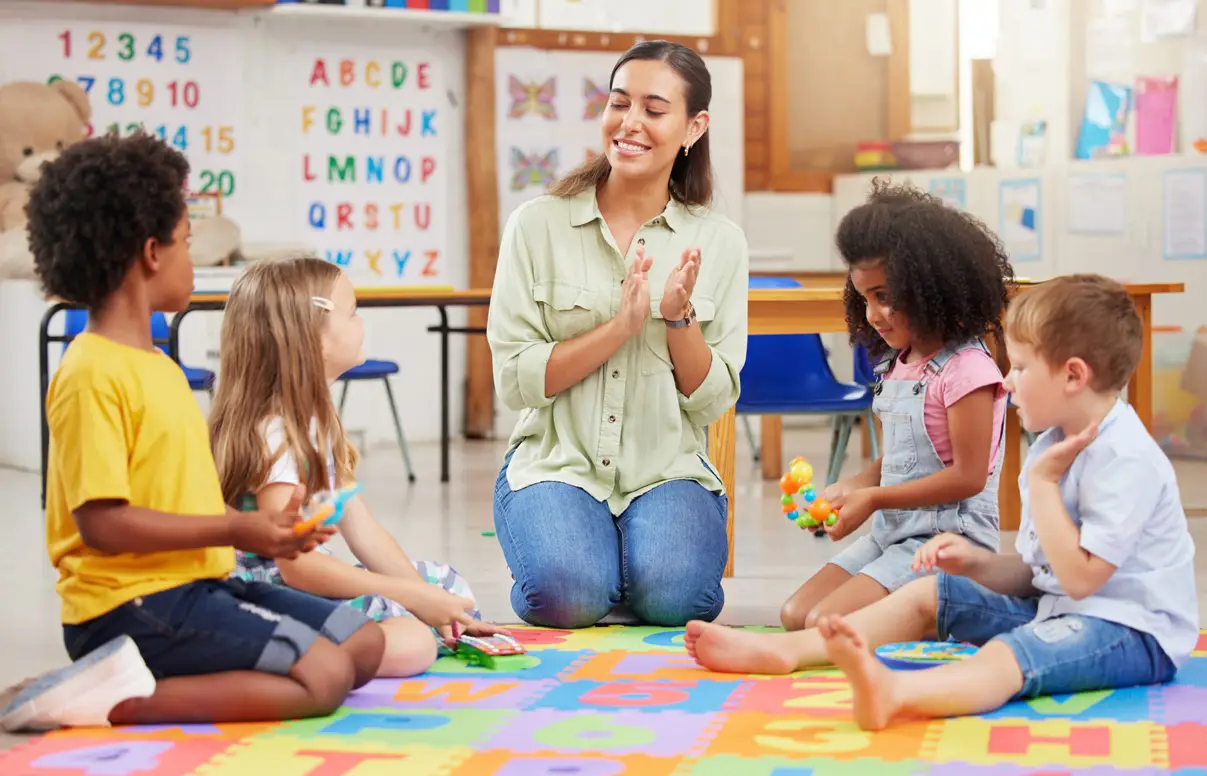
- Join group activities
- Respond to social situations
Example
A child who invites another child to play or cooperates during a group activity is developing important social skills that contribute to classroom success.
4. Emotional Regulation
Children experience many emotions every day. Learning how to manage those emotions is a critical developmental skill.
Observe whether a child can:
- Recover from disappointment
- Handle transitions
- Follow classroom routines
- Express feelings appropriately
- Seek help when needed
Example
A child who becomes upset when losing a game but calms down and continues participating is developing healthy emotional regulation.
5. Fine Motor Skills
Fine motor skills involve the small muscles of the hands and fingers.
Observe how children:
- Hold crayons and pencils
- Use scissors
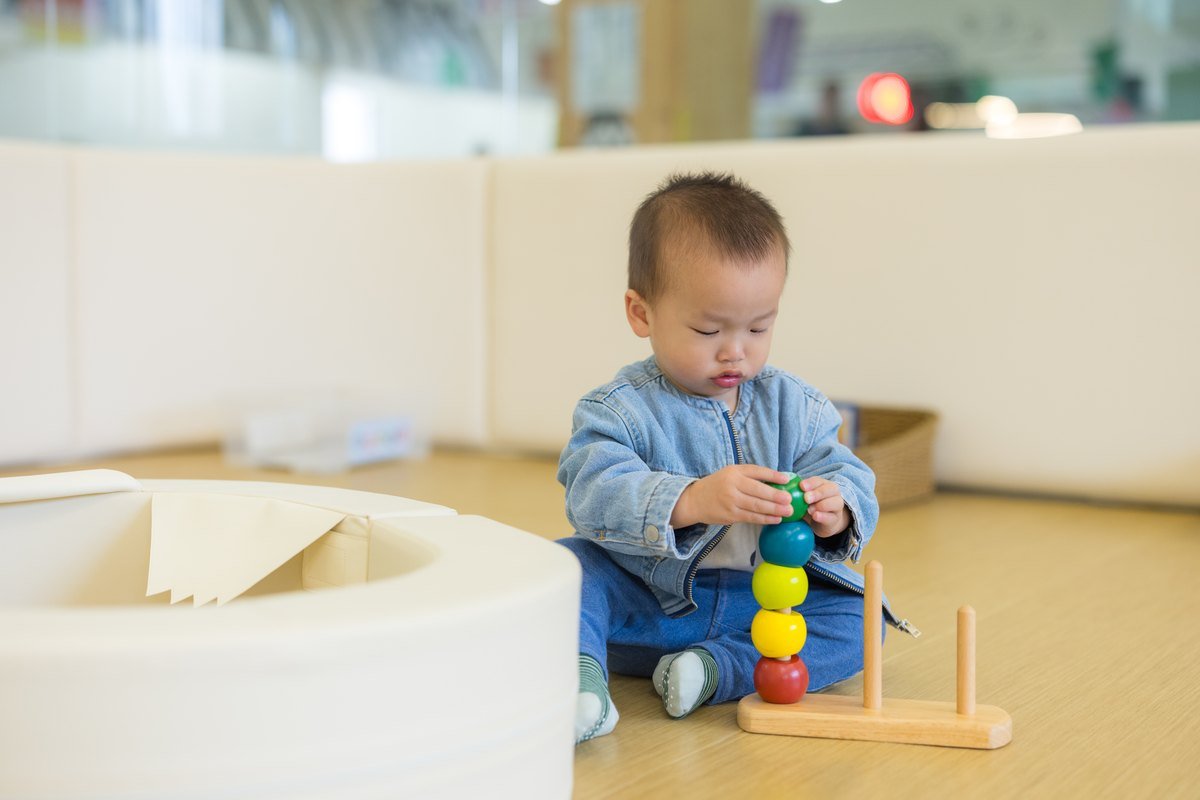
- Manipulate small objects
- Complete puzzles
- Build with blocks
Example
Strong fine motor development supports future writing, drawing, self-care activities, and classroom participation.
6. Problem-Solving and Thinking Skills
Young children are natural explorers and problem-solvers.
Observe whether they:
- Experiment with different solutions
- Ask questions
- Show curiosity
- Recognize patterns
- Learn from mistakes
Example
A child trying multiple ways to build a stable block tower demonstrates persistence, reasoning, and flexible thinking.
7. Independence and Self-Help Skills
Independence builds confidence and prepares children for school and everyday life.
Observe whether children can:
- Follow routines
- Manage personal belongings
- Clean up after activities
- Make simple choices
- Complete age-appropriate self-care tasks
Example
A child who independently packs away materials and prepares for the next activity demonstrates growing self-management skills.
Looking at the Whole Child
No single skill determines a child’s success.
A child may excel academically but struggle socially. Another may have excellent language skills but need support with attention or emotional regulation.
The goal of developmental observation is not to compare children but to understand each child as a whole.
When teachers observe multiple areas of development, they gain a clearer picture of how a child learns, interacts, and grows.
The Role of Early Identification
Early observation can help identify developmental delays or learning challenges before they become larger concerns.
Research consistently shows that children benefit most when support is provided during the early years, when the brain is developing rapidly.
Teachers are often among the first adults outside the family to notice developmental patterns, making their observations incredibly valuable.
Frequently Asked Questions
What developmental skills should preschool teachers observe?
Preschool teachers should observe attention, language, social interaction, emotional regulation, fine motor skills, problem-solving, and independence.
Why is developmental observation important in preschool?
Developmental observation helps teachers understand a child’s strengths, identify challenges early, and provide appropriate support.
How do developmental skills affect school readiness?
Strong developmental skills support learning, communication, self-regulation, and social participation, all of which contribute to school readiness.
Final Thoughts
Academic learning is important, but it is only one piece of a child’s developmental journey.
By observing attention, communication, social interaction, emotional regulation, fine motor abilities, problem-solving, and independence, teachers can better support children’s growth and create learning environments where every child can thrive.
The most effective early childhood education focuses not only on what children know, but also on how they think, communicate, interact, and learn.
About Brainy Indigo
At Brainy Indigo, we believe every child deserves developmentally appropriate support during the critical first six years of life. Our evidence-informed developmental assessments and early learning programs help parents, teachers, schools, and healthcare professionals understand and nurture each child’s unique potential.
Want More Activities Like These?
Browse the free Activity Library for 100s of age-by-age activities.