Many parents measure learning by how early a child can recognize letters, count numbers, or recite rhymes. While these skills are important, they tell only part of the story.
Some of the strongest indicators of healthy development appear long before children begin formal academics. In fact, many of the skills that predict future success are not found in workbooks or flashcards at all.
Children learn through exploration, communication, problem-solving, relationships, and everyday experiences. Understanding these early signs can help parents focus on what truly matters during the critical first six years of life.
1. Your Child Is Curious About Everything
Curiosity is one of the most powerful drivers of learning.
Children who constantly ask questions, explore new objects, and investigate their surroundings are actively building connections in their brains.
You may hear questions such as:
- Why is the sky blue?
- What happens if I mix these colors?
- Where does the moon go?
Curiosity demonstrates a desire to understand the world and forms the foundation of lifelong learning.
2. Your Child Can Focus on Activities
Learning requires attention.
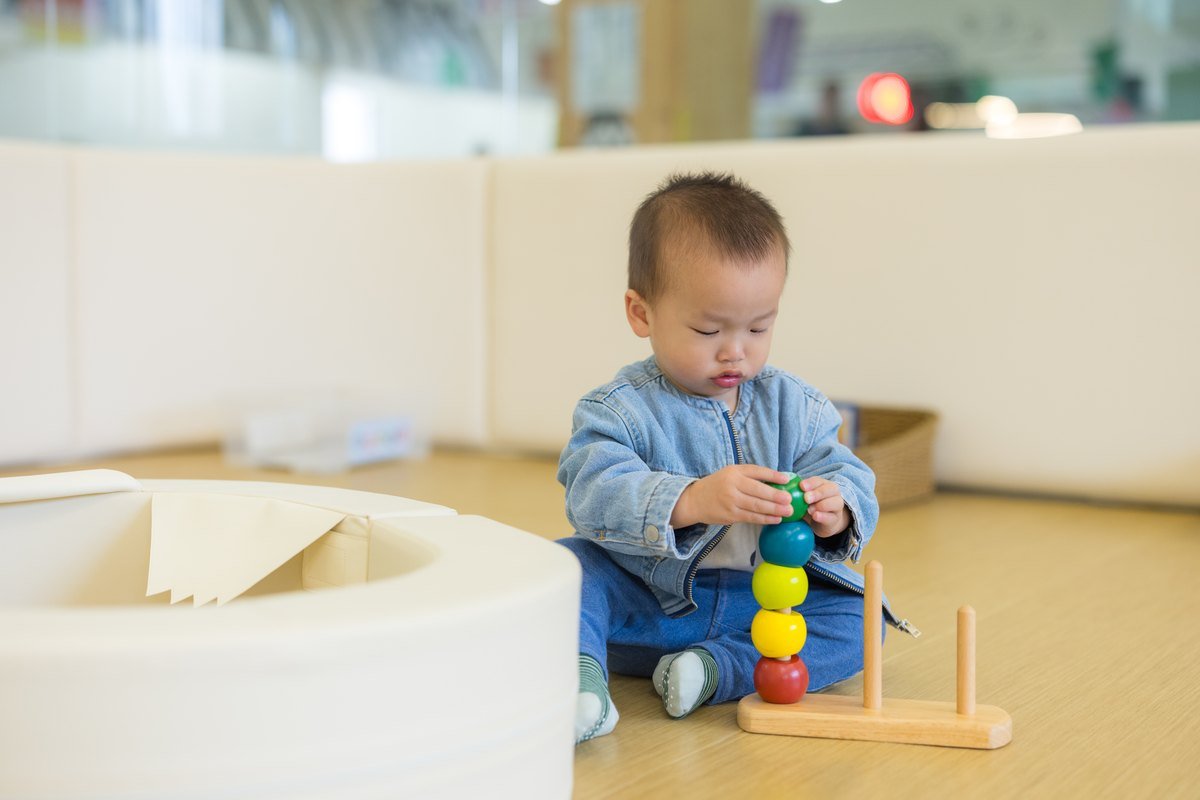
A child who can spend time building with blocks, solving puzzles, listening to stories, or engaging in imaginative play is developing important concentration skills.
The ability to focus often predicts future learning success more accurately than early academic knowledge.
3. Your Child Tries Again After Making Mistakes
Children who persist despite challenges are developing resilience.
Whether they are attempting a puzzle, learning to balance on a bicycle, or figuring out how a toy works, persistence demonstrates problem-solving and adaptability.
Learning is not about getting everything right immediately. It is about continuing to try.
4. Your Child Enjoys Pretend Play
When children pretend to be doctors, teachers, chefs, or superheroes, they are doing much more than playing.
Pretend play helps develop:
- Creativity
- Language skills
- Social understanding
- Emotional expression
- Flexible thinking
Research consistently shows that imaginative play supports cognitive and social development.
5. Your Child Communicates Thoughts and Feelings
Strong communication skills are a significant indicator of healthy development.
This includes:
- Expressing needs
- Sharing experiences
- Asking questions
- Participating in conversations
Communication is not only about speaking. It also includes understanding language, listening, and using gestures appropriately.
6. Your Child Solves Everyday Problems
Children demonstrate learning when they find solutions independently.
Examples include:
- Figuring out how to reach a toy
- Building stable structures
- Finding missing objects
- Completing simple tasks
Problem-solving skills form the basis for critical thinking and future academic success.
7. Your Child Connects With Others
Learning is deeply connected to relationships.
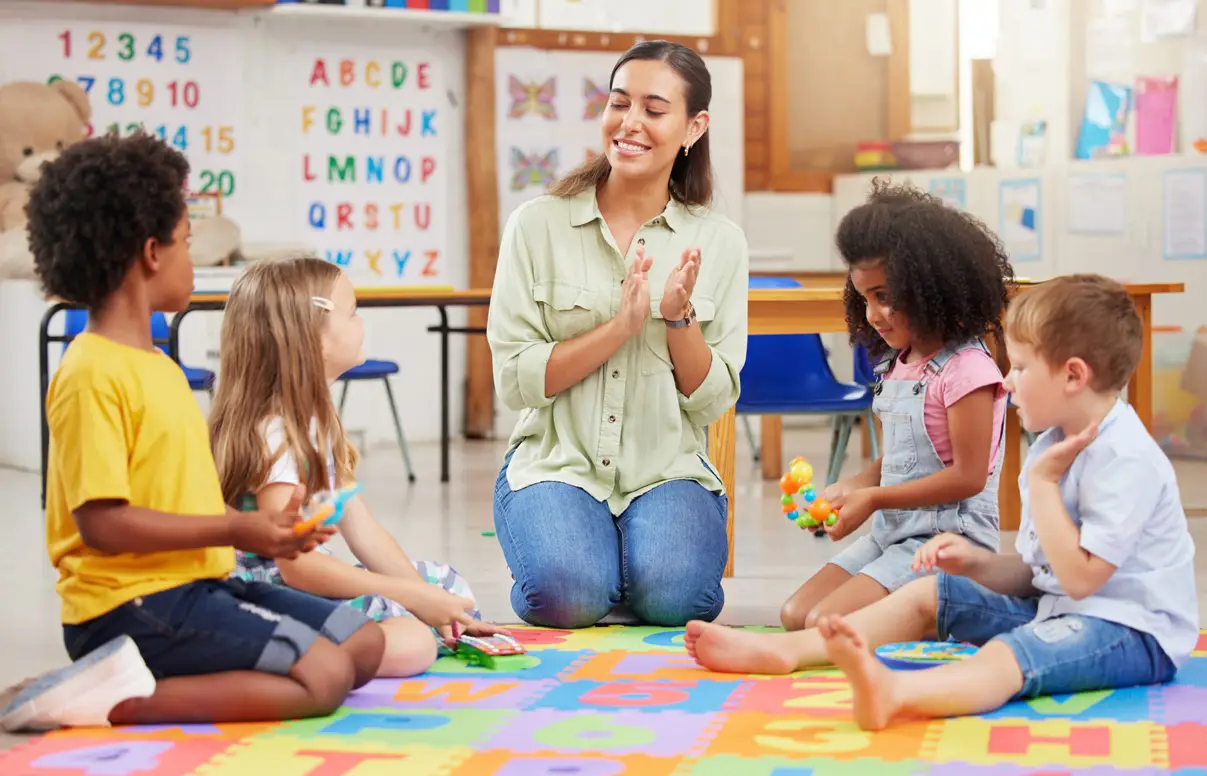
Children who engage with parents, siblings, peers, and teachers are developing important social skills.
Look for signs such as:
- Making eye contact
- Sharing experiences
- Taking turns
- Showing empathy
- Participating in group activities
These skills contribute significantly to future school readiness.
8. Your Child Remembers and Applies New Information
Memory is an essential learning skill.
A child who remembers routines, recalls stories, follows multi-step instructions, or applies previous experiences to new situations is actively strengthening cognitive abilities.
Learning is not simply acquiring information—it is being able to use it meaningfully.
9. Your Child Shows Independence
Children learn by doing.
Signs of growing independence include:
- Dressing with assistance
- Cleaning up toys
- Following routines
- Making simple choices
- Completing age-appropriate tasks
Independence builds confidence, responsibility, and self-management skills.
10. Your Child Enjoys Learning New Things
Perhaps the strongest sign of all is a genuine enthusiasm for learning.
Children who become excited about new experiences, books, games, places, and activities often develop a positive relationship with learning that benefits them throughout life.
The goal is not to push children ahead academically but to nurture their natural desire to explore and discover.
Frequently Asked Questions
What are the early signs of healthy child development?
Healthy child development includes curiosity, communication, problem-solving, social interaction, memory, focus, and independence.
Is knowing ABCs a sign of advanced learning?
Academic skills are only one aspect of development. Social, emotional, language, and cognitive skills are equally important.
How can parents track their child’s development?
Parents can monitor developmental milestones and complete structured developmental assessments to better understand their child’s progress.
Looking Beyond Academics
Letters, numbers, and worksheets have their place, but they are only one small part of child development.
A child who is curious, communicative, socially engaged, resilient, and eager to learn is developing skills that will support success far beyond the classroom.
As highlighted in our article on developmental screening, understanding the whole child provides a much clearer picture of development than focusing solely on academic milestones.
When Should Parents Take a Closer Look?
Every child develops at their own pace. However, if you have concerns about your child’s communication, social interaction, attention, learning, motor skills, or overall development, it can be helpful to gain a more comprehensive understanding of their developmental progress.
Parents can begin by completing a Parent Assessment:
https://brainyindigo.in/parent-assessment
For a more detailed evaluation, a Child Development Assessment can help identify strengths, developmental achievements, and areas that may benefit from additional support:
https://brainyindigo.in/child-assessment
Supporting Your Child’s Development
Children thrive when parents understand how development unfolds during the early years.
Brainy Indigo supports families through:
- Development Assessments
- Parent Assessments
- Child Development Assessments
- School Readiness Support
- Early Learning Programs
Explore all assessment options:
https://brainyindigo.in/assessments/
You can also discover age-appropriate developmental programs designed to support children from birth to six years:
https://brainyindigo.in/programs/
Final Thoughts
The best indicators of learning are not always found in worksheets, or early academic achievements.
Curiosity, communication, attention, problem-solving, memory, social interaction, and independence are often stronger predictors of future success.
By focusing on the whole child rather than academics alone, parents can better support healthy development and create a strong foundation for lifelong learning.
For more resources, guidance, and developmental insights, visit:
https://brainyindigo.in/for-parents/
Want More Activities Like These?
Browse the free Activity Library for 100s of age-by-age activities.