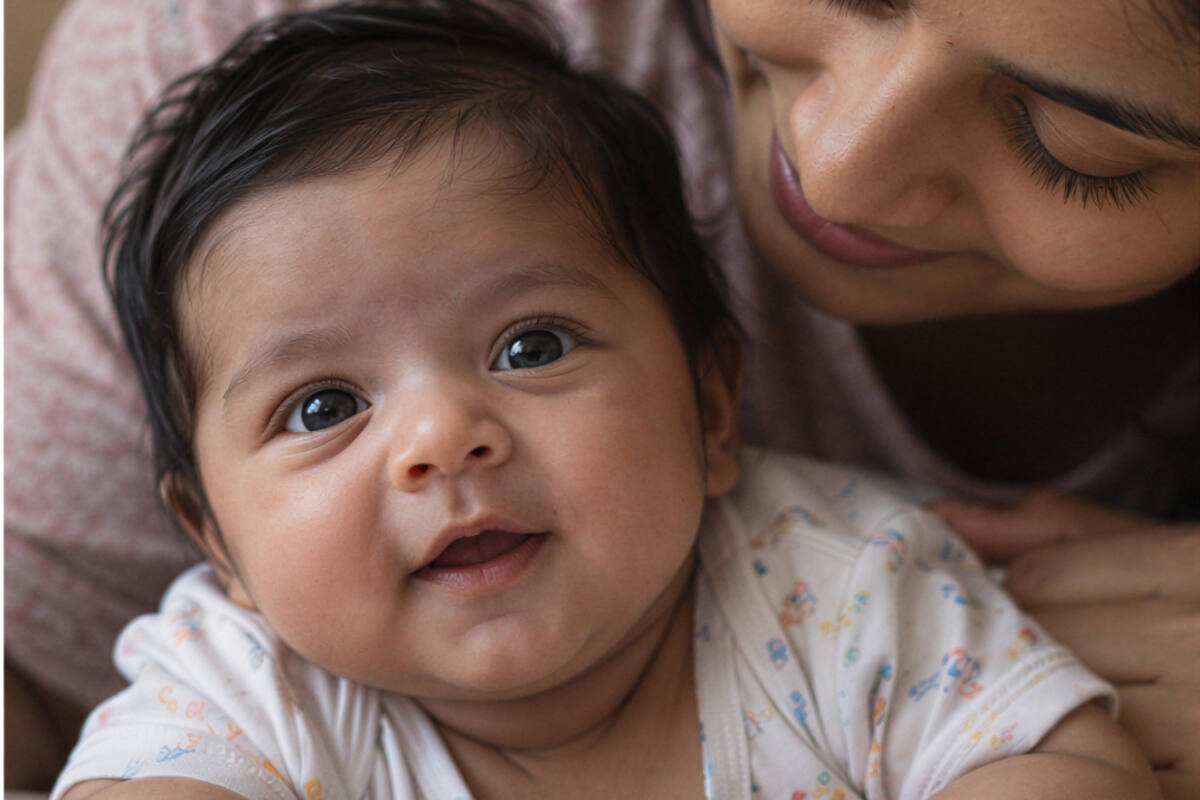
If you are reading about speech delay in toddlers late at night, phone in one hand, you are in very good company. It is one of the most common worries parents bring to us — and one of the most confusing, because the advice arrives from every side at once. Wait, he’ll talk when he’s ready. Boys talk late. His appa didn’t say a word till three. Don’t wait — go now.
All of that advice is well meant, and none of it is a decision. This guide is meant to be one: a calm way to tell the difference between a child who is simply taking his time and a child who would benefit from a closer look — and what to do in either case. It will not diagnose anything. It will help you think clearly, which is usually what a worried parent needs most.
Speech delay in toddlers: normal range vs red flags
Start with the good news. The range of normal in early language is genuinely wide. Some children say their first clear word at nine months, others at fifteen, and both can be entirely on track. Language also grows in bursts: a child can seem stuck for weeks and then add twenty words in a fortnight.
It helps to remember that talking is only the visible tip of language. Underneath sit understanding (receptive language), gestures like pointing and waving, eye contact and turn-taking, and the wish to communicate at all. If your child understands a great deal but says little, we wrote about exactly that gap in what it means when a 2-year-old understands everything but doesn’t talk.
What is broadly typical
- Around 12 months: babbling with varied sounds (“ba-da-ma”), responding to their name, pointing or reaching to show you things, perhaps a first word.
- Around 18 months: a handful of words (they may be approximations — “paa” for paal, “ta” for thatha), following simple instructions like “give me the ball”, pointing to show interest.
- Around 24 months: a growing vocabulary — often somewhere near 50 words — and the first two-word combinations: “more milk”, “appa come”, “ball gone”.
- Around 30–36 months: short sentences, asking simple questions, and being understood by family most of the time.
Treat these as signposts, not a pass-fail test. In a bilingual Tamil–English home, count words in both languages together — a child with 25 Tamil words and 25 English words has a 50-word vocabulary. Bilingualism does not cause speech delay; we explain why in our guide to raising a bilingual child.
Seven speech delay red flags worth acting on
These are not signs that something is wrong. They are signs that it is worth having someone take a proper look:
- No babbling, pointing or waving by about 12 months.
- No single words by around 16–18 months.
- No spontaneous two-word phrases by about 24 months (repeating your words back does not count).
- Not responding to their name, or seeming not to hear sounds, at any age.
- Not understanding simple, familiar instructions by around 18–24 months.
- Very little interest in sharing attention — showing you things, looking where you point.
- Losing words or skills they already had, at any age. This one should never be waited on.
One or two of these, in an otherwise curious, connected, understanding child, is common. Several together, or any loss of skills, is the moment to move from watching to acting.
The cost of “wait and watch”
“Wait and watch” is the most common advice Tamil parents hear — from relatives, from neighbours, sometimes from professionals. And for many children it turns out fine. Plenty of late talkers do catch up on their own.
The difficulty is that nobody can reliably tell, at two, which children will catch up and which will not. Waiting is not neutral. It spends time, and in early childhood time is the one resource that matters most.
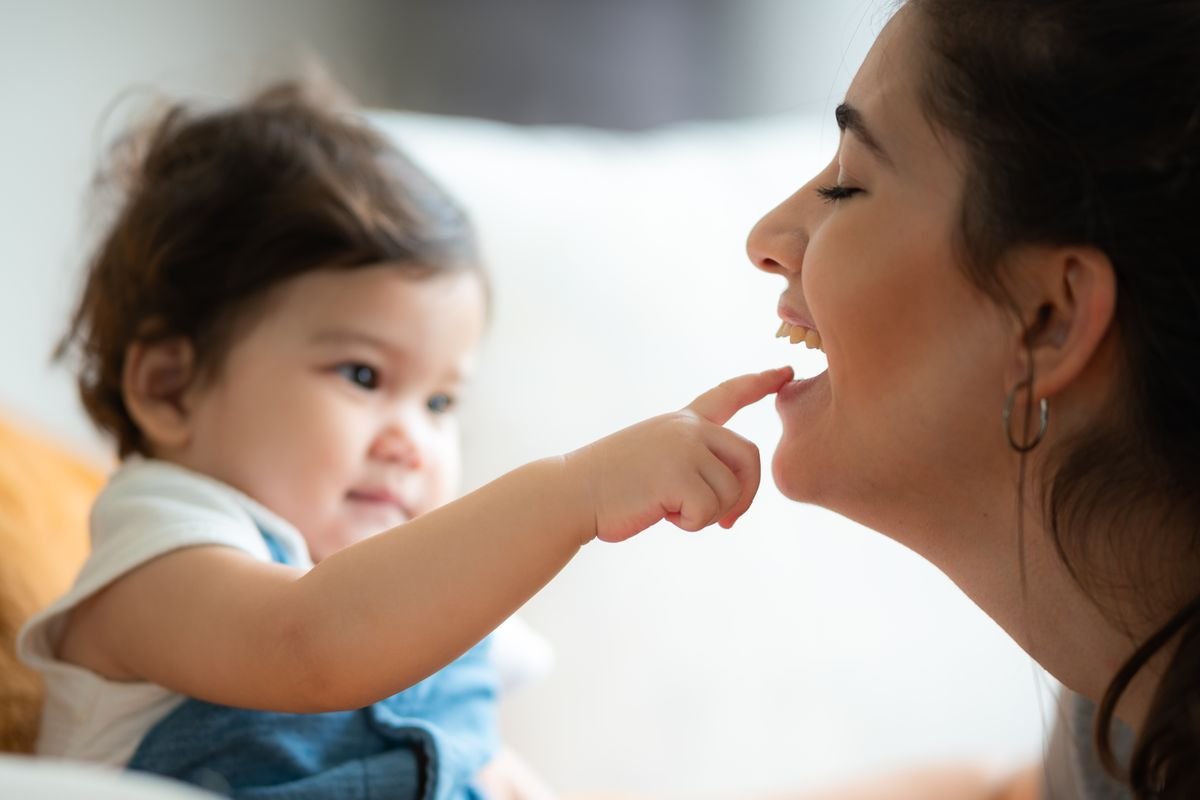
The first three years are when the brain’s language pathways are being laid down fastest. The Harvard Center on the Developing Child describes how this architecture is built through serve-and-return interaction — a child “serves” with a sound, a look or a gesture, and an adult “returns” it. The more responsive those exchanges, the stronger the connections. Support given early works with the brain at its most adaptable. Support given later still helps, but it asks more of the child.
So the honest comparison is not “worry versus relax”. It is this:
- Get a look early, and it’s nothing: you have lost an hour and gained peace of mind, plus ideas to use at home.
- Get a look early, and it’s something: you have gained months of the most valuable support window there is.
- Wait, and it’s something: those months are gone, and you usually end up seeking help anyway — just later.
Put that way, a gentle, early check is rarely the wrong choice. The American Speech-Language-Hearing Association makes a similar point in its note on late blooming versus a language problem: when in doubt, have it checked.
What a developmental screening looks like
Many parents delay because they imagine something clinical and frightening — a child being tested, labelled, and sent away with a diagnosis. A good developmental screening is nothing like that.
In practice, it is mostly play and conversation. Someone trained in child development watches how your child communicates — not just words, but gestures, eye contact, how they respond to their name, how they play with a toy and whether they bring it to show you. You will be asked questions about your child at home, because you see far more than anyone can in an hour. A hearing check is often recommended too, since even mild or fluctuating hearing loss (common after repeated ear infections) can slow speech.
A screening does not diagnose. It answers a simpler, more useful question: is development broadly on track, or is it worth looking more closely at one area? We explain the wider picture in why developmental screening matters in the first six years, and you can begin at home with our free Child Development Snapshot.
Increasingly, this kind of developmental understanding is being offered alongside routine paediatric care, and a number of hospitals now build it into their early-years programmes. If you are curious how that works, see our work with hospitals.
If speech therapy for a 2-year-old is suggested
Sometimes the outcome of a screening is a recommendation for a speech-language assessment or therapy. That can feel like a big word to hear. In reality, speech therapy for a 2-year-old looks a lot like structured play: bubbles, songs, picture books, and — most importantly — coaching you to create more of those serve-and-return moments at home. Toddlers spend most of their waking hours with family, so parents are the most powerful part of the plan.
Questions to ask your paediatrician
Paediatric appointments are short, and it is easy to walk out having forgotten what you meant to ask. Write these down beforehand, or save them on your phone:
- “Based on what you’ve seen, is my child’s language within the typical range for their age?”
- “Should we check their hearing — and if so, where?”
- “Is there anything in their gestures, understanding or social responses you’d like to watch?”
- “If we wait, how long should we wait, and what exactly should we be looking for in that time?”
- “Can you refer us for a developmental screening or a speech-language assessment?”
- “What can we do at home, starting this week?”
The fourth question matters most. “Wait and see” is much more reassuring when it comes with a date and a plan — for example, “come back in three months if he isn’t combining two words”. Vague waiting is where the months quietly disappear.
Bring notes, too. A short list of the words your child uses (in any language), how they ask for things, and anything that worries you gives the doctor far more to work with than a nervous child in an unfamiliar room.
What you can do today, whatever you decide
- Narrate your day in short, simple phrases: “Amma is cutting the carrot. Crunch!”
- Wait after you speak. Count silently to five. Give your child room to fill the gap with a sound, a look or a word.
- Add one word. If they say “ball”, you say “big ball” or “red ball”.
- Read the same picture book again and again, pausing to let them point or fill in the word.
- Turn screens off in the background. Language is learned from people, not from speakers.
- Sing — rhymes and repetitive songs, Tamil or English, are language practice in disguise.
Wait with a plan, or act with calm
The choice is rarely between panic and doing nothing. For most families, the right path sits in the middle: learn what is typical, notice the red flags honestly, ask for a gentle look when something doesn’t sit right, and keep talking, singing and reading at home either way.
That is the thinking behind Brainy Early Years — understanding your child’s development early, in the first thirty months, so decisions are made from clarity rather than worry. Brainy Indigo Connect is the thread that keeps the journey connected, so what you notice at home, what a screening shows and what comes next all stay in one story. Develop the brain first. Everything else follows.
If you are unsure whether to wait or act, talk it through with us. Book a free discovery call — no pressure, no labels, just a clearer picture of your child.