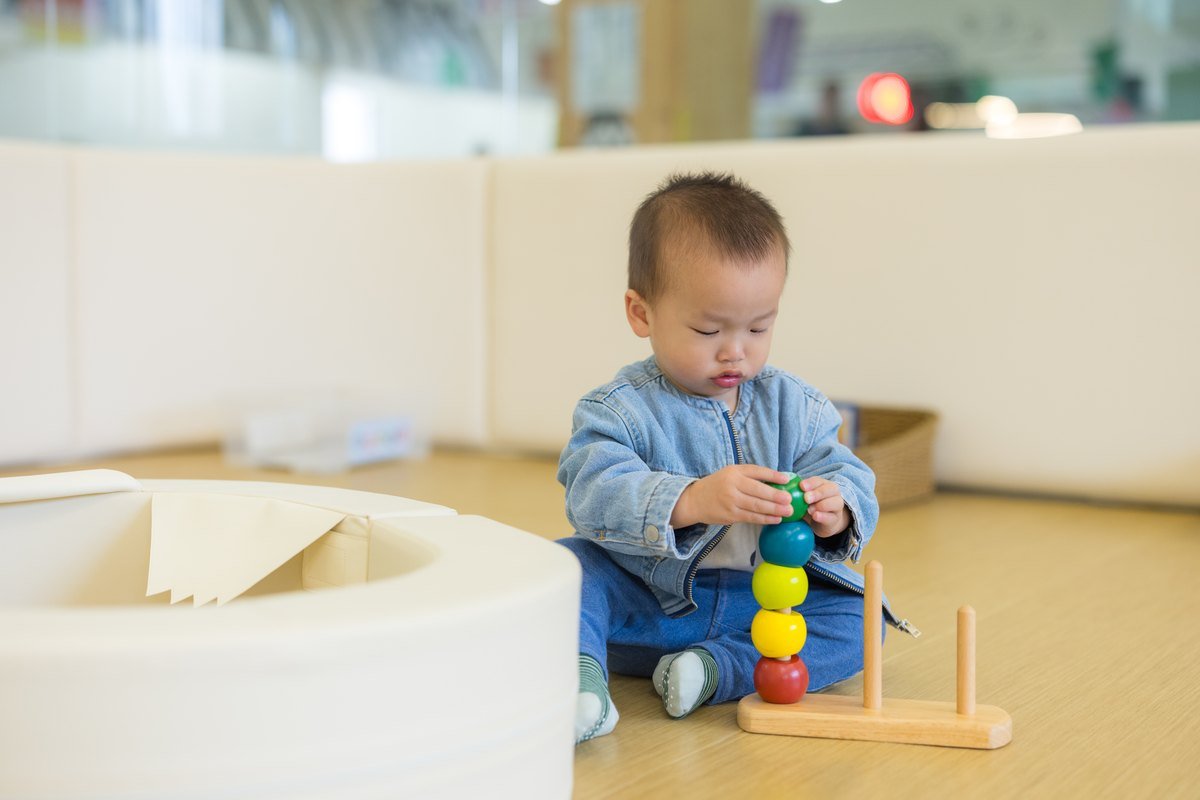
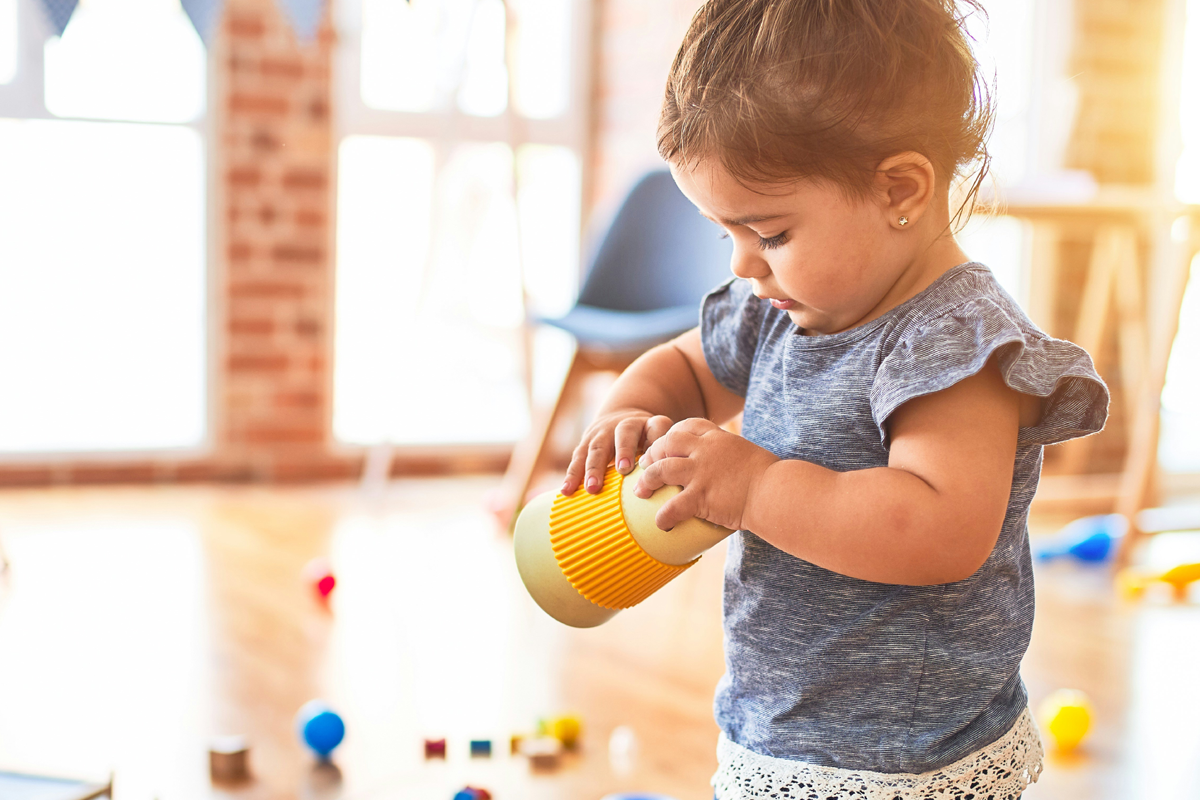
You don’t need expensive toys, fancy classes, or a background in neuroscience to support your toddler’s brain development. Some of the most effective toddler brain development activities happen right in your living room, kitchen, or backyard — with nothing more than your time, attention, and everyday interactions.
Here are five science-backed activities that support toddler brain development at every stage of early childhood.
1. Talking Out Loud — The Running Commentary
Best for: 1–3 years | Brain area: Language & Communication
The single most powerful thing you can do for your toddler’s brain is talk to them — constantly.
Narrate your day as you go. “Now I’m washing the vegetables. This one is green — it’s a cucumber. Can you feel how cool it is?” Every word you say builds vocabulary, strengthens neural pathways for language, and helps your child understand the world.
Research from Harvard University found that the quality of back-and-forth conversation between a parent and child — what they call “conversational turns” — is more predictive of language development than the total number of words spoken.
How to do it: Narrate everything. Cooking, shopping, driving, bathing. Talk about what you see, what you’re doing, and what’s happening around you. Ask simple questions and wait for a response, even if it’s just a babble.
2. Sensory Play — Messy is Good
Best for: 6 months – 3 years | Brain area: Sensory Processing & Motor Skills
Sensory play — activities that engage touch, smell, sight, sound, and taste — is not just fun. It literally builds the brain.
When a toddler squishes playdough, splashes in water, or runs their fingers through rice, they are creating and strengthening neural connections at a remarkable rate. Sensory experiences help develop fine motor skills, improve concentration, and build the foundation for scientific thinking (hypothesis, experimentation, observation).
Simple sensory play ideas:
- A tray of dried rice or lentils with cups and spoons
- Playdough with safe herbs like mint or cardamom mixed in
- Water play with containers of different sizes
- Finger painting with washable paints
- A “texture board” with different materials — cotton, sandpaper, bubble wrap
How to do it: Set aside 20–30 minutes, accept the mess, and let your child explore freely. Resist the urge to direct — follow their lead.
3. Reading Together — Every Single Day
Best for: All ages from birth | Brain area: Language, Literacy & Emotional Intelligence
Reading to your child is one of the most well-researched brain development activities in existence. Children who are read to regularly from birth develop larger vocabularies, stronger comprehension skills, better emotional intelligence, and greater reading readiness than their peers.
But here’s what most parents don’t realise: it’s not just about the words on the page. It’s about the conversation around the book.
How to do it: Don’t just read the words — pause, point, ask questions. “What do you think will happen next?” “How do you think the bear is feeling?” “Can you find the red balloon?” This transforms passive listening into active cognitive engagement.
Aim for at least one book per day. Before bed is ideal — it also supports sleep.
4. Pretend Play — The Brain’s Gymnasium
Best for: 18 months – 5 years | Brain area: Creativity, Executive Function & Social Skills
When your child picks up a banana and pretends it’s a phone, something extraordinary is happening in their brain. They are developing symbolic thinking — the ability to let one thing represent another. This is a foundational cognitive skill that underlies language, mathematics, and reading.
Pretend play also builds executive function — the set of mental skills that include working memory, flexible thinking, and self-control. Children who engage in rich pretend play show stronger executive function, which is one of the best predictors of academic success.
How to do it: Follow your child’s lead in play. If they’re playing doctor, be a patient. If they’re making chai in a toy kitchen, ask for a cup. Resist directing the play — your job is to be a willing participant, not a director.
Provide open-ended props: cardboard boxes, scarves, pots and spoons, old clothes for dressing up.
5. Music and Movement — The Full-Brain Workout
Best for: All ages | Brain area: Multiple areas simultaneously
Music is unique in that it activates more areas of the brain simultaneously than almost any other activity. When a child listens to music, claps along, or tries to sing, they are engaging auditory processing, motor control, memory, language, and emotional regulation — all at once.
Movement adds another layer. Dancing, jumping, crawling, and balancing all support gross motor development, spatial awareness, and body-brain coordination.
How to do it:
- Sing nursery rhymes and action songs daily (wheels on the bus, heads shoulders knees and toes)
- Create a simple “music basket” with safe instruments — drums made from containers, a shaker from rice in a bottle
- Dance together freely — let your child lead
- Try freeze dancing — great for impulse control and listening skills
Even 10 minutes of music and movement per day makes a measurable difference.
The Most Important Ingredient: You
All five of these activities share one thing: your presence and engagement. No app, toy, or screen can replicate what happens in a child’s brain when a loving adult is fully present, responsive, and engaged with them.
You don’t need to do all five every day. Start with one. Build it into your routine. And know that every moment of genuine connection and play is building your child’s brain in ways that will last a lifetime.
Want More Activities Like These?
Browse the free Activity Library for 100s of age-by-age activities.
Published by Brainy Indigo Team | Category: Parenting Tips